
Online gaming has become closely woven into modern digital lifestyles. What was once considered a niche hobby is now a common activity alongside streaming, social media, and online communication. People engage with games not only for entertainment but also for social connection, relaxation, and even skill development. Understanding how online gaming fits into everyday digital habits helps explain its continued growth and relevance.
Gaming as a Flexible Form of Digital Entertainment
One reason online gaming fits so well into modern life is its flexibility. Unlike traditional entertainment that often requires dedicated time and space, online games can adapt to different schedules. Players can enjoy short sessions during breaks or longer sessions during free time at home. This flexibility aligns well with busy routines shaped by work, study, and family responsibilities.
Digital devices also support this adaptability. Games are available on computers, consoles, tablets, and smartphones, allowing players to choose what suits their lifestyle. Someone might play casually on a mobile device during a commute and later continue on another platform. This ability to move between devices reflects how digital lifestyles emphasize convenience and continuity.
Online gaming also complements other forms of digital entertainment. Players may switch between watching videos, chatting with friends, and playing games within the same session. This blended usage highlights how gaming is no longer separate from digital life but part of a broader ecosystem of online activities.
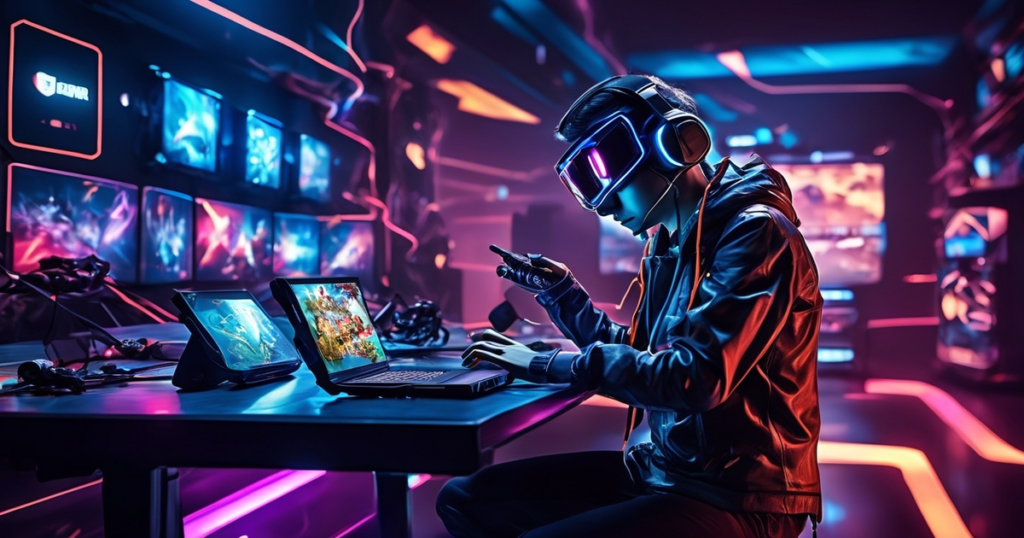
Social Connection in a Digitally Connected World
Modern digital lifestyles place strong value on staying connected, and online gaming supports this need in unique ways. Games provide shared spaces where people interact in real time, often working toward common goals or competing in friendly challenges. These interactions feel more active than passive communication methods, making gaming a meaningful social outlet.
Many players use online games to maintain relationships with friends and family who live far away. Regular gaming sessions can become social routines, similar to scheduled calls or group chats. In addition, gaming communities often form around shared interests, creating opportunities to meet new people and build connections beyond existing social circles.
This social aspect fits naturally into digital lifestyles that rely on online platforms for interaction. Voice chat, messaging, and community features allow players to communicate while engaging in an activity together. As a result, gaming becomes both entertainment and social engagement at the same time.
Practical Integration and Technical Awareness
As online gaming becomes part of daily digital habits, players grow more aware of technical requirements and digital literacy. Installing games, managing updates, and ensuring compatibility are now common tasks. Informational resources such as download and install help mega888support guide reflect how users seek clear instructions to smoothly integrate games into their digital routines.
Modern players expect convenience and reliability. Automatic updates, cloud saving, and account based access support seamless transitions between devices and sessions. These features align with broader digital expectations shaped by apps and online services that prioritize ease of use.
At the same time, players are becoming more mindful of balance. Digital lifestyles often involve extended screen time, and gaming is one of many activities competing for attention. Tools that track usage or allow session limits help players manage time responsibly. This awareness shows how gaming is adapting to fit healthier digital habits rather than replacing them.
In conclusion, online gaming fits into modern digital lifestyles through flexibility, social connection, and practical integration with everyday technology. It reflects how people use digital tools to entertain, connect, and manage time efficiently. As digital habits continue to evolve, online gaming is likely to remain a familiar and adaptable part of daily life.